Beyond the Box – Specialized Demands of Inland Empire Production
The Inland Empire isn't just a distribution hub; it's a growing center for sophisticated processing and manufacturing operations, spanning food production, advanced fabrication, assembly, and more. These users have demands that go far beyond traditional warehouse specifications. Securing a facility for manufacturing is a highly technical challenge, requiring a precise alignment of real estate with industrial processes. Key priorities include massive utility capacity, heavy-duty structural capabilities, specialized zoning, and strategic access for both materials/finished goods and a skilled workforce. In this segment, the availability of suitable properties is constrained, and navigating the technical and regulatory landscape demands unparalleled expertise.
Facility Features Engineered for Production Rigor
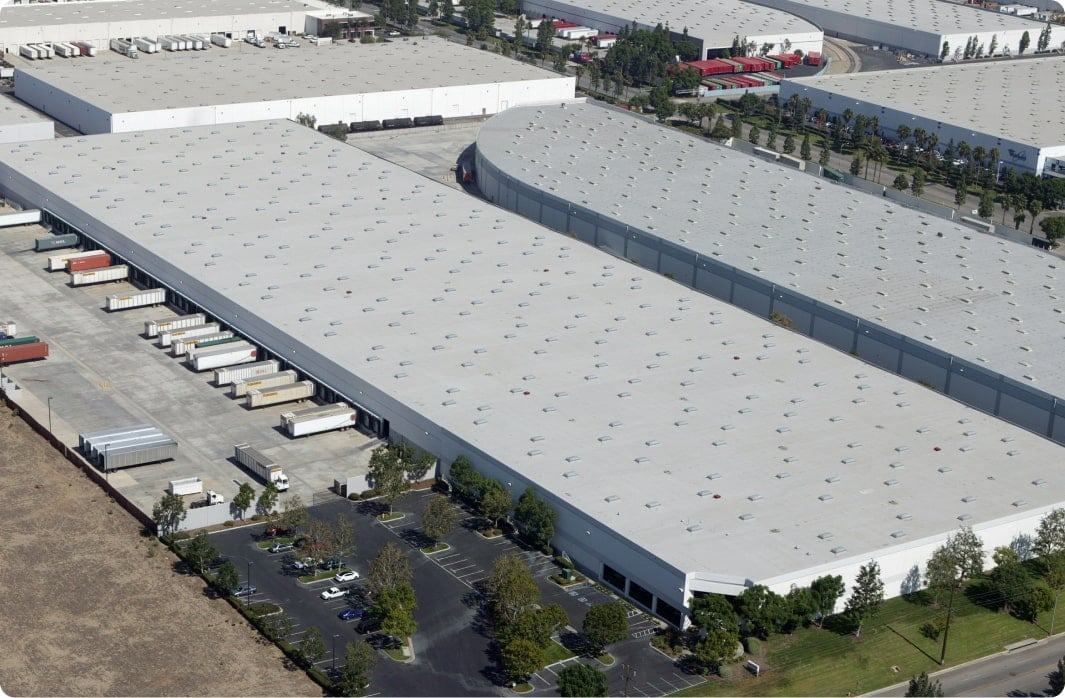
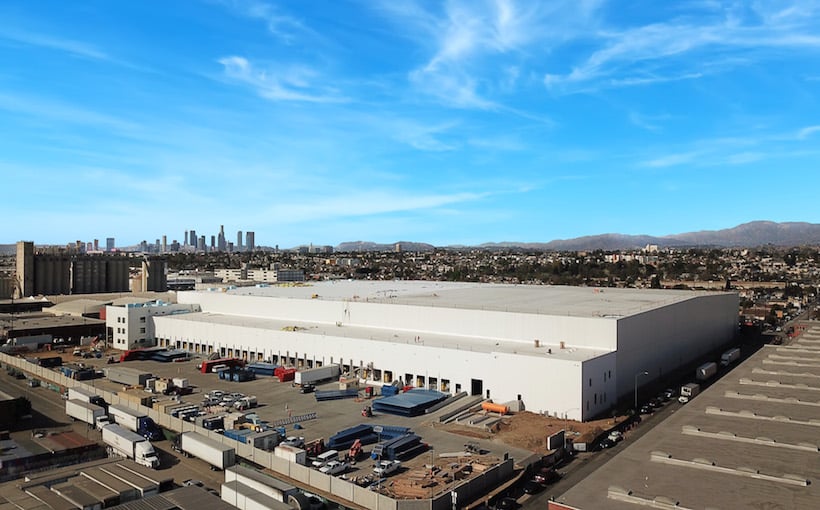
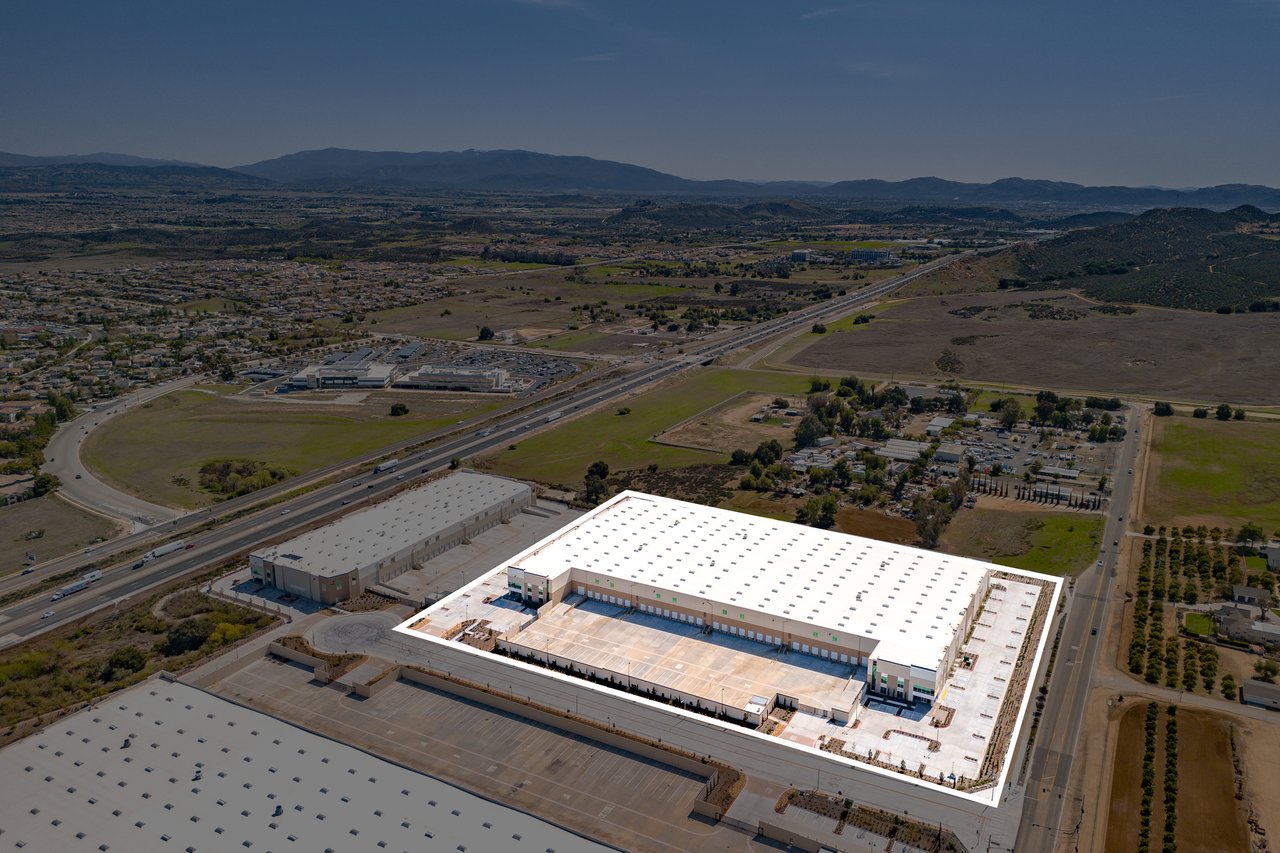
Manufacturing and processing facilities must be fundamentally built or adaptable for intensive industrial use. These features are critical:
- Non-Negotiable Heavy Power Infrastructure: Production is power-hungry. Manufacturing facilities demand significantly higher power service, typically ranging from 2,000 to 6,000+ amps at 480V. High-load operations often necessitate direct access to major power grids or the potential for dedicated substations. This infrastructure is vital for powering heavy machinery, automation lines, specialized equipment (like industrial ovens or heavy presses), and supporting multi-shift operations. Verifying existing capacity, service reliability, and upgrade feasibility is a crucial, often complex, due diligence item only experts can navigate effectively.
- Heavy Floor Load & Structural Capacity: Manufacturing requires a robust foundation. Floors must withstand the weight of heavy machinery, anchored equipment, significant material storage, and intensive forklift traffic. Look for minimum 4,000–5,000 psi concrete strength, supporting high floor load capacities (often 500 psf or greater). This prevents structural issues and allows flexibility in equipment layout and operational density. Ceiling structure capable of supporting bridge cranes or heavy hanging loads may also be essential.
- Process-Specific Clear Heights: Clear height needs vary based on the manufacturing process. Ranges from 24'–32' are common, accommodating vertical equipment, multi-level production lines, and the necessary clearances for extensive overhead infrastructure (piping, ductwork, cranes, ventilation). The right height enables efficient workflow and equipment integration.
- Critical Industrial Zoning: Zoning is not flexible for manufacturing. Operators require specific designations (typically M-1, M-2, or heavy industrial) that allow for operational characteristics like higher noise levels, specific emissions, specialized waste handling, and 24/7 operations. Misaligned zoning can halt an operation entirely. Finding sites with the correct, flexible zoning and favorable municipal attitudes towards manufacturing is paramount and requires deep local knowledge.
- Strategic Access for Workforce & Logistics: Efficient production relies on smooth access for both people and materials. Proximity (within 2-3 miles) to major freeways like I-10, I-215, SR-60, and SR-91 is essential for attracting and retaining a multi-shift workforce across the broad Inland Empire labor pool. This access also supports inbound raw material deliveries and outbound distribution of finished goods. Access to rail lines (e.g., BNSF in San Bernardino) is a significant advantage for operations requiring bulk material transport.
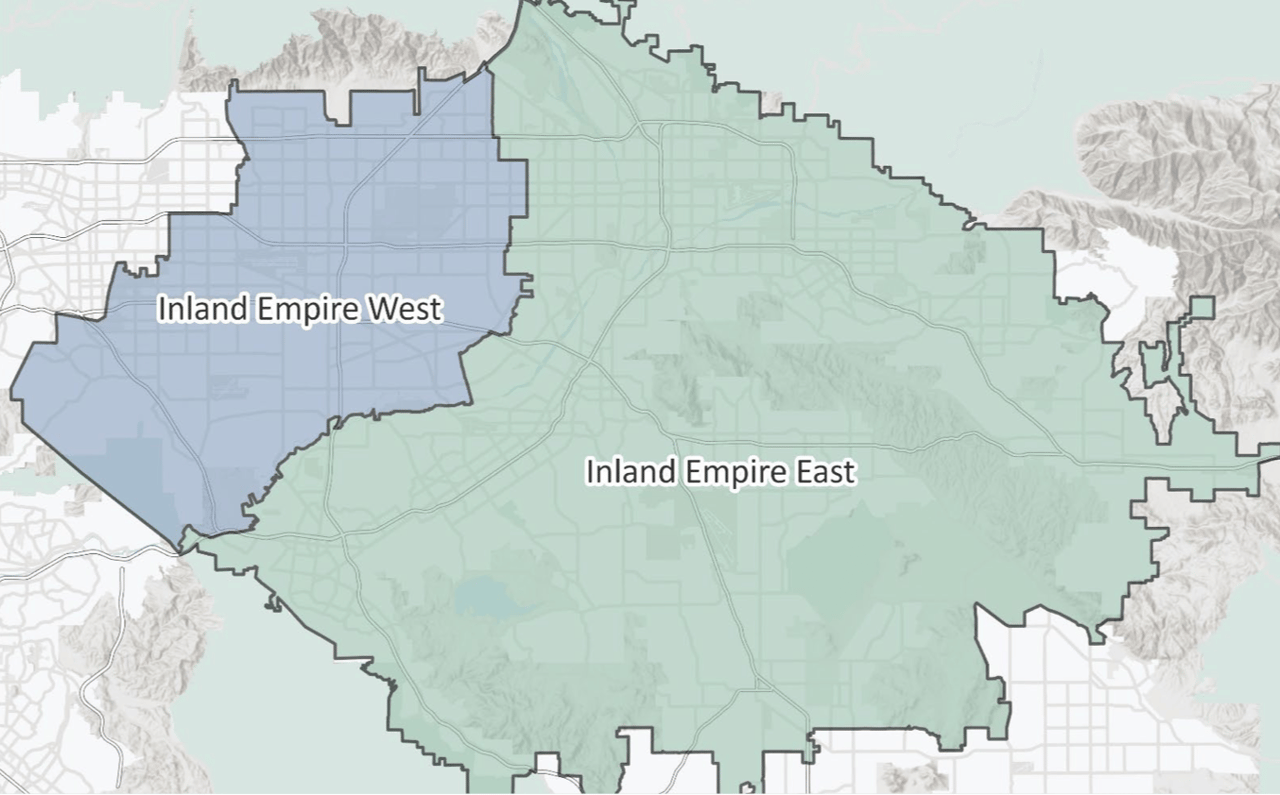
Strategic Manufacturing & Processing Hubs in the Inland Empire
Specific submarkets offer unique advantages for manufacturing users:
- Perris & Moreno Valley: Emerging as key manufacturing nodes within newer parks. Offer larger parcels, often designed with upgraded power infrastructure, and more competitive lease rates, providing scalable environments for production-heavy users focused on long-term growth.
- San Bernardino: Offers established heavy industrial corridors with proximity to significant infrastructure like BNSF rail lines and major freeway intersections (I-10/I-215). Provides entitlements for heavier uses and access points vital for bulk logistics and regional distribution.
- Riverside Proper: Offers infill and established industrial areas suitable for mid-sized or specialized manufacturing operations needing closer proximity to urban markets, vendors, or specific distribution points within Southern California. Requires careful site-specific analysis of zoning and infrastructure.
Conclusion: Technical Expertise is Key to Manufacturing Real Estate Success
Securing the right manufacturing or processing facility in the Inland Empire is a highly technical undertaking. Success hinges on precise alignment with specific infrastructure needs (especially power and floor load), securing appropriate zoning, and strategic location for workforce and logistics.
In a market where technically suitable properties are scarce and complex to evaluate, simply searching listings is insufficient. Partnering with a dominant Inland Empire industrial broker who possesses deep technical knowledge, understands zoning intricacies, has strong utility relationships, and maintains real-time market intelligence is essential to identify, vet, and secure the specialized asset required to power your production efficiently and competitively for years to come.